The Ergonomics of Acrylic Nails: Design Considerations for Comfort and Functionality
Investigate how acrylic nail designs can be engineered to improve daily functionality and reduce potential strain or discomfort.
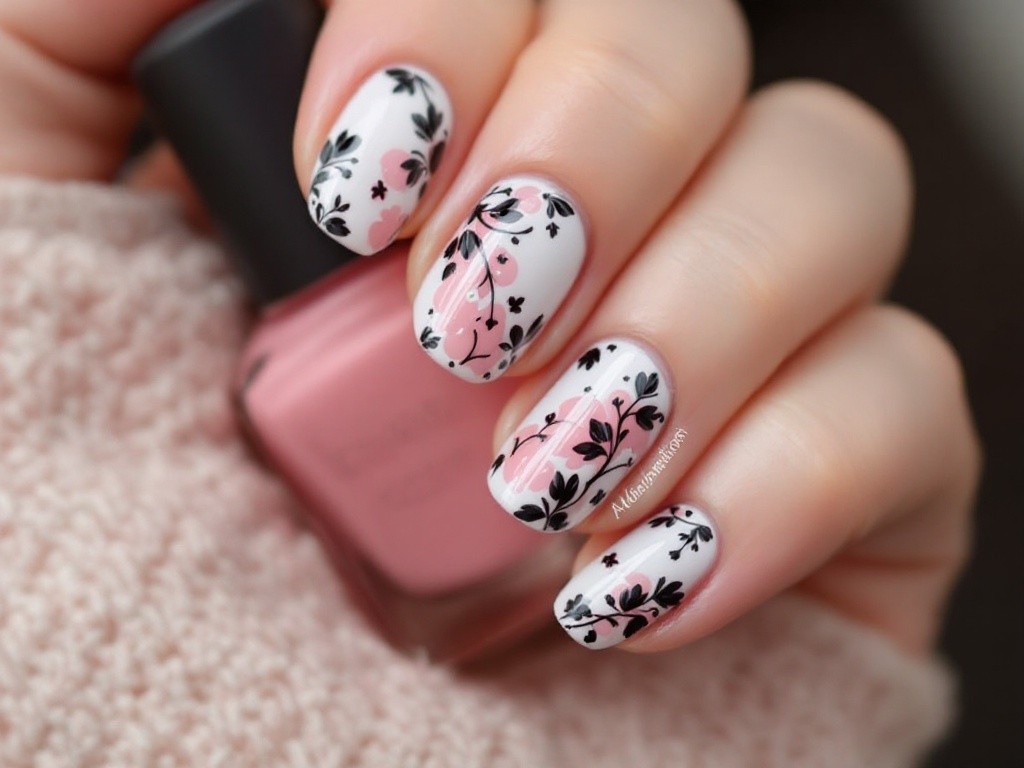
The Ergonomics of Acrylic Nails: Design Considerations for Comfort and Functionality
Beyond aesthetic appeal, acrylic nails are emerging as a fascinating intersection of design science, functional engineering, and personal comfort. Far from being merely decorative, contemporary acrylic nail design is exploring how nail shapes, lengths, and structures can actively support daily human activities and minimize physical strain.
Understanding Ergonomic Nail Design Ergonomics in nail design goes beyond traditional beauty considerations. It's a holistic approach that examines how nail shapes, lengths, and structures interact with human biomechanics, daily tasks, and individual lifestyle requirements.
Fundamental Ergonomic Principles in Nail Design
Shape and Functionality Different nail shapes offer unique ergonomic benefits:
Rounded shapes reduce snagging and potential injury
Squoval (square-oval) designs minimize edge-related stress
Slight curve designs that follow natural finger contours
Strategic filing techniques that reduce potential pressure points
Length Considerations Nail length profoundly impacts functionality:
Short to medium lengths for high-precision tasks
Moderate lengths that maintain natural finger dexterity
Custom length assessments based on individual profession and lifestyle
Profession-Specific Nail Ergonomics
Musicians and Performers Specialized nail designs for:
Guitarists requiring precise string interaction
Pianists needing minimal interference with key touch
Drummers seeking enhanced grip and percussion control
Healthcare Professionals Ergonomic designs that support:
Reduced bacteria collection
Smooth surfaces for medical glove compatibility
Minimal interference with tactile sensitivity
Technology and Digital Professionals Nail designs optimized for:
Touchscreen interaction
Keyboard and mouse usage
Reduced typing interference
Minimal click-button resistance
Material Science in Functional Nail Design Advanced material considerations:
Lightweight acrylic compounds
Flexibility-enhanced formulations
Shock-absorbing nail structures
Hypoallergenic and skin-friendly compositions
Biomechanical Analysis Techniques Professional nail technicians now employ:
Motion capture studies
Pressure point assessments
Individual hand movement analysis
Personalized ergonomic consultations
Specialized Design Strategies
Grip Enhancement Nail designs that improve:
Tool handling
Precision grip mechanics
Reduced hand fatigue
Enhanced tactile feedback
Stress Reduction Techniques Ergonomic approaches to minimize:
Nail-related hand strain
Potential repetitive stress injuries
Uneven weight distribution
Unnecessary physical compensations
Technological Integration Emerging technologies supporting ergonomic design:
3D hand scanning
Personalized nail structure modeling
Advanced pressure mapping
AI-driven design recommendations
Psychological and Comfort Dimensions Ergonomic nail design also addresses:
Confidence in physical capabilities
Reduced anxiety about nail-related limitations
Enhanced body-positive interactions
Personalized comfort experiences
Sustainability and Long-Term Health Holistic considerations include:
Minimal natural nail damage
Supportive growth environments
Reduced potential for mechanical stress
Alignment with overall hand health strategies
Future of Ergonomic Nail Design Anticipated developments:
More personalized design approaches
Advanced material innovations
Greater integration with wearable technology
Increased focus on individual biomechanical needs
Beyond Aesthetics: A Functional Approach Ergonomic acrylic nail design represents a revolutionary approach to personal adornment. It's not just about looking good—it's about feeling comfortable, supported, and empowered in your daily life.
Your nails are no longer just a fashion statement. They're a carefully engineered extension of your personal functionality.